Alternative Investment Insights
Institutional-quality research on carbon markets, AI infrastructure, fractional real estate, and emerging asset classes. Data-driven analysis for sophisticated investors.

What Happens When a Fund Gates or Suspends Redemptions?
What a redemption gate, a suspension and proration mean for your shares: Blue Owl's 12.8% tender fill, BREIT's resubmission rule and Rule 23c-3.

Private Credit Funds Are Rationing Exits: What SEC Filings Show at Blackstone, Blue Owl, Apollo and Others
Read from the Schedule TO final amendments reviewed across AltStreet's tracked non-traded BDCs: none of the 26 readable results for offers that expired in the second half of 2025 showed proration. For offers that expired April to June 2026, nine of seventeen did. Fund by fund, with the filing behind each figure.

What Is SEC Form 424B3? How to Read a Fund's Prospectus Update
Form 424B3 discloses substantive prospectus changes under an effective registration. How to read one, using USVC's October 2026 bonus share supplement.

What Is SEC Form N-2? How to Read a Closed-End Fund Registration Statement
Form N-2 registers offerings by closed-end, interval and tender-offer funds. How to read one, using Robinhood Ventures Fund I's October 2026 filing.

SEC Form 1-Z Explained: Ending a Reg A Offering vs. Reporting
Form 1-Z reports Reg A offering results or suspends reporting. Masterworks Vault 2's expired offering shows why those are separate steps.

What Happened to HappyNest? REIT Wind-Down, Withdrawal Problems and Investor Lessons
HappyNest REIT, the $10-minimum real estate app, told the SEC on September 30, 2026 that it has adopted a plan to wind up. A case study built from every filing: $3.3 million raised from app users, $1.44 million of shares sold after the offering lapsed that the company says may be subject to rescission, redemptions terminated, the adviser gone, a going-concern opinion, and what shareholders know and do not know about getting money back.

Starfighters Space After Its Reg A Listing: Losses, a Founder Dispute and New Financing
Starfighters Space sold about $40 million of stock to retail investors at $3.59 through Equifund and listed on NYSE American in December 2025. On October 13, 2026 the shares closed at $1.46. A case study built from the filings since listing: a $15.7 million first-half loss that includes a $5.15 million write-off of aircraft deposits, the founder's resignation and his $26 million suit, a going-concern paragraph, a $17.5 million private placement at $3.35, founder share sales, and executive pay changes.

American Hospitality Properties REIT: SEC Fraud Allegations and Regulation A Due Diligence Lessons
Regulation A lets a sponsor sell up to $75 million a year to retail investors on an SEC-qualified offering circular, but qualification does not establish that every promotional claim is accurate. The American Hospitality Properties REITs show what that gap looks like in practice: an SEC complaint alleging $86 million raised on claims of eleven hotels and 12% profit distributions, filings that showed one preferred interest and distributions funded by offering proceeds, and a Chapter 11 filing in October 2026. A due diligence checklist built from the public record, with the date each item became available.
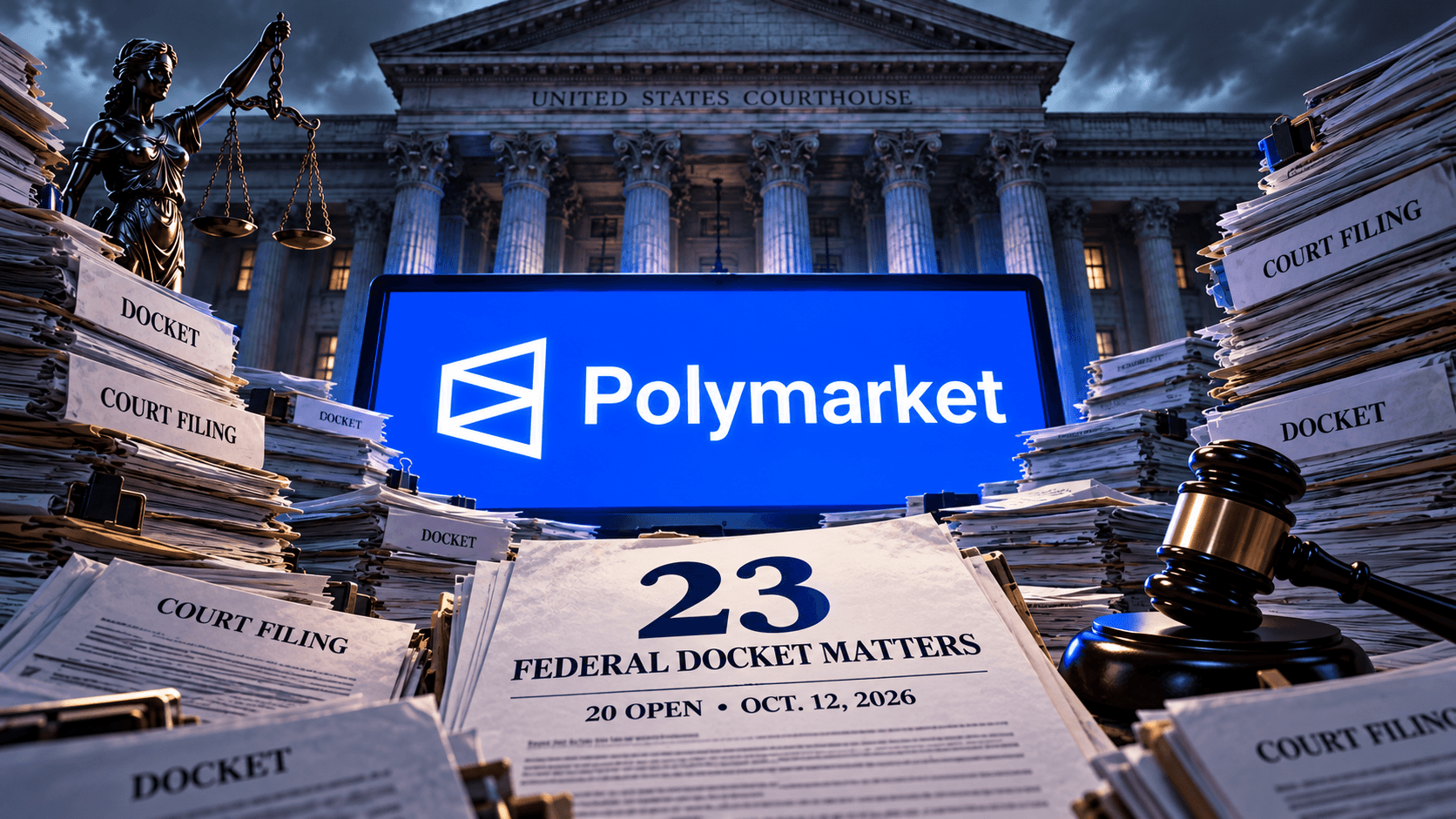
Polymarket's Litigation Map: 23 Federal Dockets, and Which Entity Is Named in Each
Every federal docket naming a Polymarket entity: 23 matters across 14 courts, 20 still open, all docketed in 2026. QCX LLC is the plaintiff in six, states and cities brought seven, individuals eight. Which of five Polymarket entities is named in each, read from the dockets.

Jamestown Invest Review: Returns, Redemption Pauses and the Southern Dairies Sale
A case study of Jamestown Invest 1, the Regulation A REIT behind Jamestown's retail platform: $5.7M raised in the Reg A offering against a $50M maximum ($11.2M of total capital with a prior private placement), closed to new money since July 2022, NAV $11.39 against a $13.87 peak, redemptions paused through Q3 2026, and a Southern Dairies sale under exploration. Built from every SEC filing, 2019 to 2026.

What Does Form C-W Mean? Inside Green Retrofit's Withdrawn Reg CF Offering
Form C-W withdraws a filed Reg CF offering statement. It does not state why or confirm refunds. Green Retrofit's 2017 to 2019 filing trail, read from EDGAR.

What Is Form C-TR? ORPC's 2021 Reg CF Reporting Termination Explained
Form C-TR ends a company's Reg CF annual reporting duty. ORPC's April 2021 filing shows what it discloses, what it leaves unanswered, and what the company filed next.

What Does a Leadership Change on Form D Tell You? Mascoma's 2026 Filing Decoded
A change in Form D related persons means the filed roster changed, not why. Mascoma's 2026 filing shows two directors added, one removed.

Vint's Closure Explained: Why the Wine Investing Platform Wound Down, and What Its Filings Say About Investors' Money
Vint shut down in June 2026. Its SEC filings show 2025 collection sales of $1.51M against $2.34M of cost, four years of going-concern doubt, $0 distributions in 2024 and 2025, and no filed wind-down plan.
The Linqto Forge Lawsuit: What Changed After Forge Refused the Trustee Role
Read from the complaint and Forge's answer: the selected liquidating trustee refused to serve five days before the anticipated effective date, the claim that sought to compel it has fallen away on Forge's account, and Forge pleads a backup bidder was available throughout. What that means for 13,000 customers still waiting.
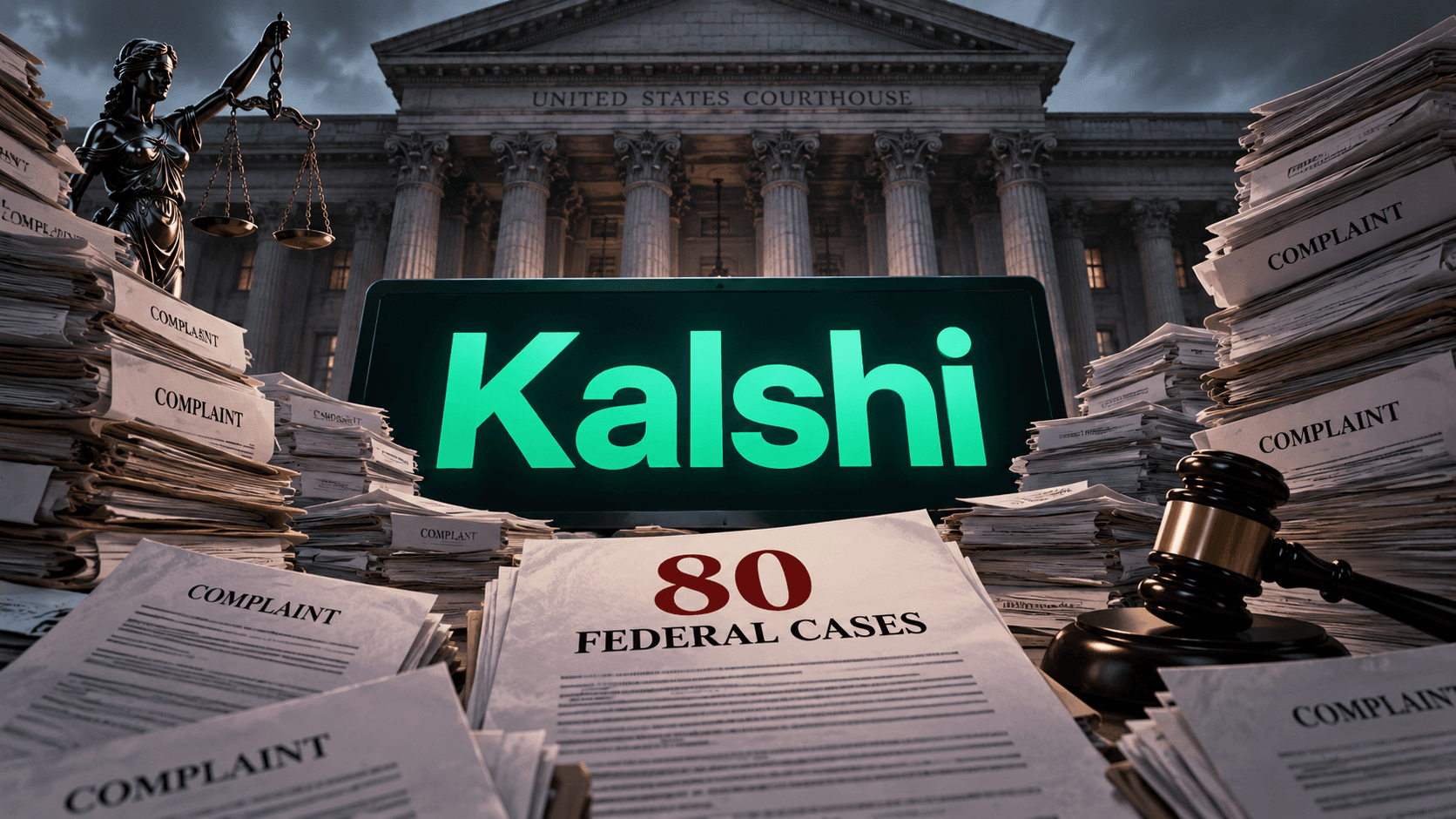
Kalshi's Litigation Map: 80 Federal Dockets, and Which Entity Is Named in Each
Every federal docket naming a Kalshi entity: 80 matters across 41 courts and 8 circuits, 55 still open. Kalshi is the plaintiff or appellant in 25 of them. State attorneys general, tribal claims, gambling-loss recovery suits, trademark cases and the CFTC action that started it.
Securitize vs. tZERO Lawsuit: Five Patents, the Allegations, and What Investors Should Watch
Securitize sued tZERO for a declaration of noninfringement on June 22, 2026. tZERO's amended counterclaims name five patents and seek damages and an injunction. What the Securitize tZERO patent dispute covers, and what it does not.

truCrowd Closed: What Happened and What to Do With Your Shares
truCrowd withdrew its funding portal registration on December 3, 2024, taking Fundanna, CryptoLaunch and Musicfy with it. The filings behind the closure, the SEC and FINRA record, and how an investor reconstructs a holding from EDGAR without the portal.

MCQ Markets Review 2026: What Five Collector-Car Offerings, Three Sales and a Withdrawn Amendment Show About Fractional Car Investing
MCQ Markets review from the SEC filings: five Regulation A collector-car series, three sold with $21.83 to $28.15 back per $20 unit, related-party sellers and buyers, an 11% acquisition fee, going-concern doubt and a September 2026 withdrawal. What to check before investing in fractional cars.
FranShares Review 2026: What the SEC Filings Show About the Franchise Investing Platform That Shut Down
FranShares shut down in March 2026. Its SEC filings show a withdrawn $20M Reg A fund, a $412,385 crowdfunding raise, a $520,460 loss and going-concern doubt in 2023, and a final year of unfiled sponsor deals. What investors could have checked.
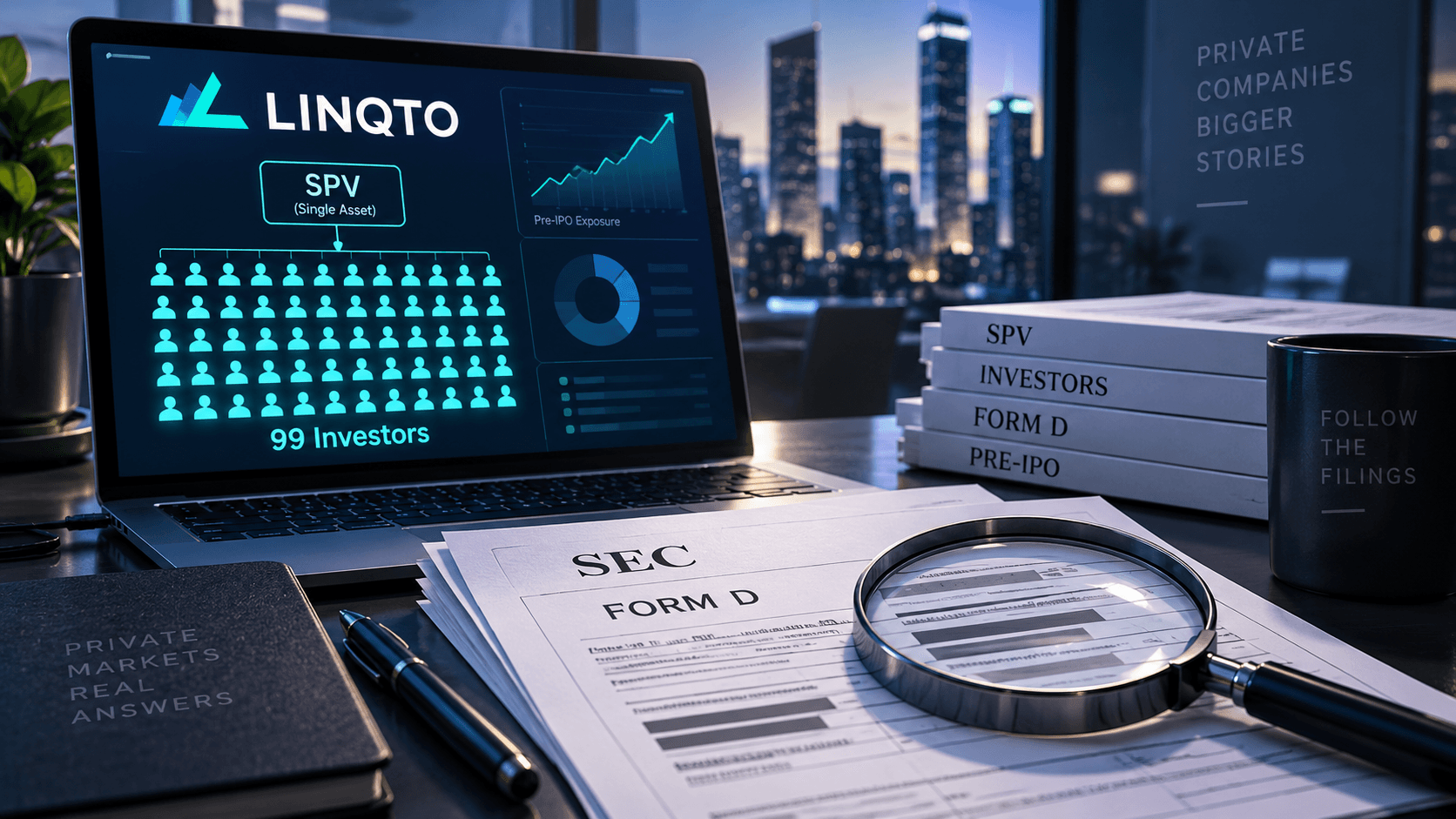
The 99-Investor Pattern: What 1,231 Linqto Filings Show
Across 1,231 Linqto Form D filings covering 546 SPVs, no offering ever reported 100 investors. What the 99-investor pattern does, and does not, show.

How to Audit a Pre-IPO SPV Using SEC Filings: The Linqto Case Study
Five structural signals you can check on EDGAR before buying a pre-IPO SPV, worked through 1,231 Linqto Form D filings: investor-count patterns, amendment histories, which entity actually transacts, embedded pricing, and filing recency.
What Is SEC Form 1-SA? Worthy Community Bonds' 2026 Filing Explained
SEC Form 1-SA is the semiannual report Tier 2 Regulation A issuers file, with unaudited six-month financials due 90 days after period-end.
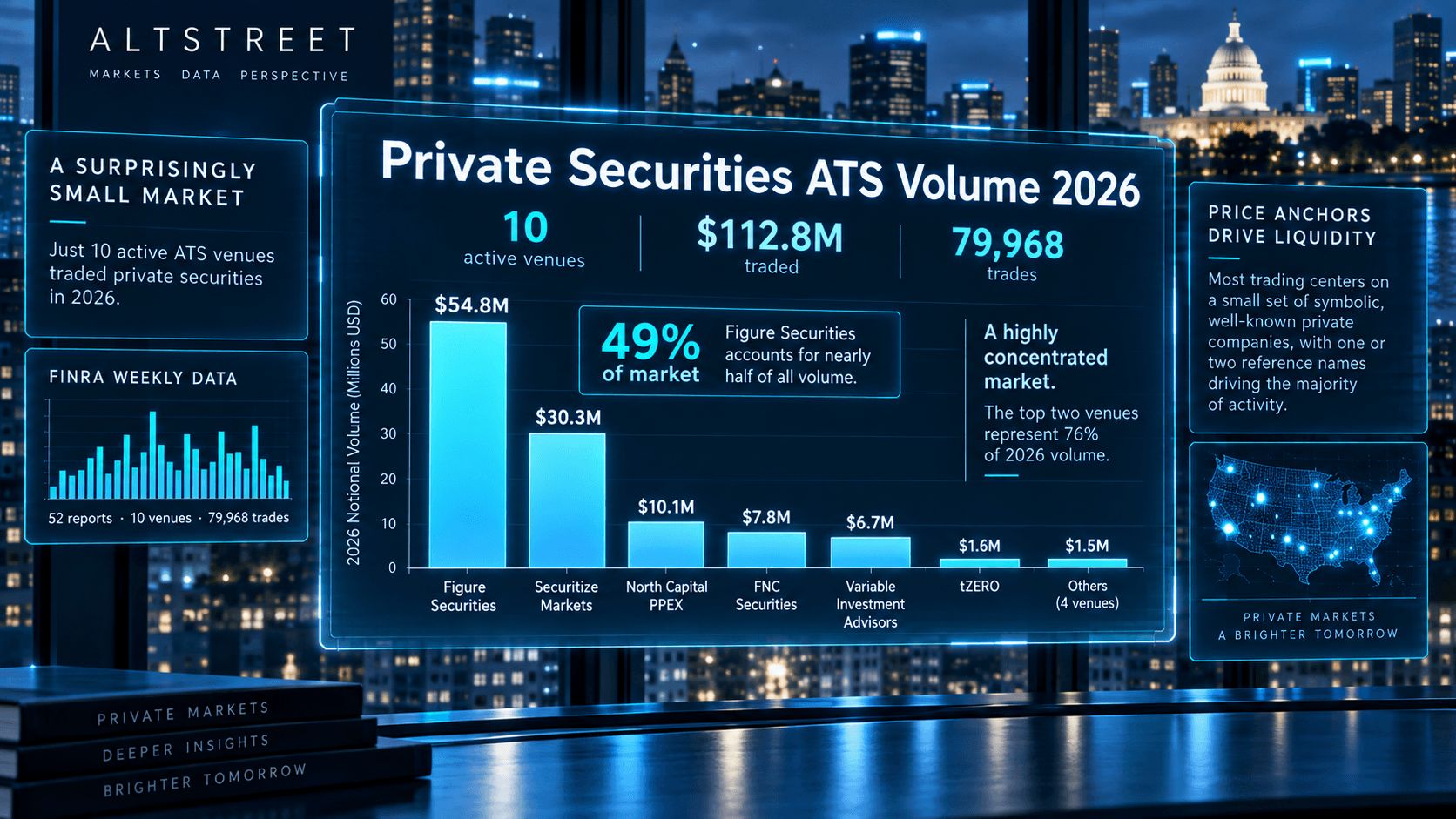
10 US Private-Securities ATSs Traded Just $113 Million Through August. Nearly Half Was One Company's Own Stock.
Tokenized securities trading volume and private-securities ATS volume, ranked from FINRA's own weekly data: $112.75M across 79,968 trades on the ten active US venues in 2026. Figure is nearly half of it, trading only its own shares. tZERO fell 94% from 2022.

What Is SEC Form 1-U? Three Landa App 3 Filings on One Atlanta House, Explained
Form 1-U is Regulation A's current report, due four business days after a specified event. Three Landa App 3 filings on one Atlanta house show how to read it.
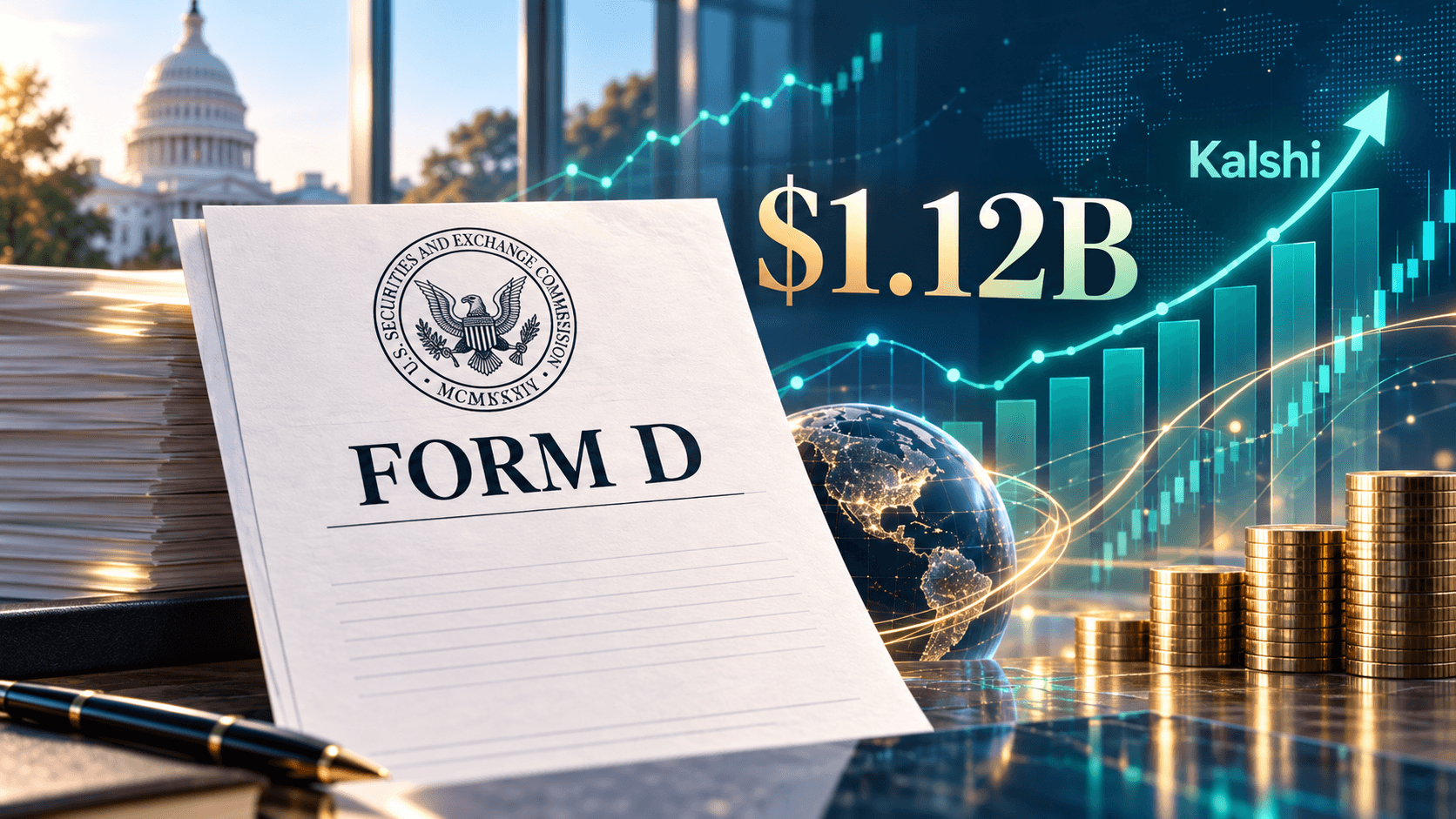
What Does a First Form D Tell You? Kalshi's $1.12 Billion Filing, Explained
A first Form D discloses a Reg D offering's size, amount sold, exemption and first-sale date, not strategy. Kalshi's $1.12 billion filing shows how to read one.

How to Spot Platform Risk Before You Invest: The Mainvest Case Study
Investors diligence the deal, not the platform. Mainvest's public filings showed a going-concern doubt and months of runway 18 months before it closed. The checklist that would have surfaced it.

What Does a Stalled Form D Offering Look Like? Eagle Point's $493.5M Fund, Flat Since 2023
A stalled Form D offering repeats its prior amendment's amount sold and investor count. Eagle Point Credit Non-US LP's $493.5M fund has done so three years running.

What Is SEC Form 1-K? Inside Arrived STR 2 LLC's Amended 2025 Annual Report
Form 1-K is the Reg A Tier 2 annual report, due 120 days after year-end with two years of audited statements. Arrived STR 2's amended FY2025 report, read line by line.

What Is a 253(g)(2) Offering Circular Supplement? Masterworks Vault 1's Supplement No. 14
A 253(g)(2) supplement updates a qualified Reg A offering circular within five business days, no requalification. Masterworks Vault 1's Supplement No. 14 shows how.

What Is SEC Form C-U? Kuleana Spirits' Reg CF Filing Reports a $1.9 Million Close
SEC Form C-U is the Reg CF progress-update filing. Kuleana Spirits' 2024 Form C-U reports a $1.9M close, 38% of a maximum raised by six Form C/A amendments.
What Is a Form D Amendment? KKR Infrastructure V's D/A Tops $17 Billion
A Form D amendment (Form D/A) updates an existing exempt-offering notice, not a new raise. KKR's 2026 D/A reported $17.37B total amount sold.

What Is Form C-AR? Inside Vroom Solar's First Reg CF Annual Report
Form C-AR is the annual report Reg CF issuers file after crowdfunding. Vroom Solar's 2023 filing shows what one actually contains.

The Auditor the SEC Called a 'Sham Audit Mill' Appeared in 37 Retail Alt Issuers' Filings. We Mapped All of Them.
When the SEC shut down BF Borgers in May 2024, coverage led with Trump Media. Nobody mapped the firm's footprint in retail alternative investments — 37 Reg A issuers, 78 filings, 2017 to ten weeks before the bar. As filed, with every name.

Private Credit Fraud and Distress: A Forensic Red-Flag Checklist
A primary-source checklist for screening private credit for fraud and distress: audit, structural, filing, performance, and operational red flags to verify.

Tokenized Equities in 2026: Valuation Marks, Venue Spreads, and What Tokenized Stocks Are Really Worth
Learn how tokenized equities are priced, what stock tokens legally represent, and how liquidity-gated reference marks expose venue and wrapper spreads.

What Music Royalties Actually Sell For: Data From 2,683 Marketplace Deals
Data from 2,683 music royalty deals: a 6.1x median earnings multiple, 16.4% pre-fee yield, and how catalog age, term, and size affect price.
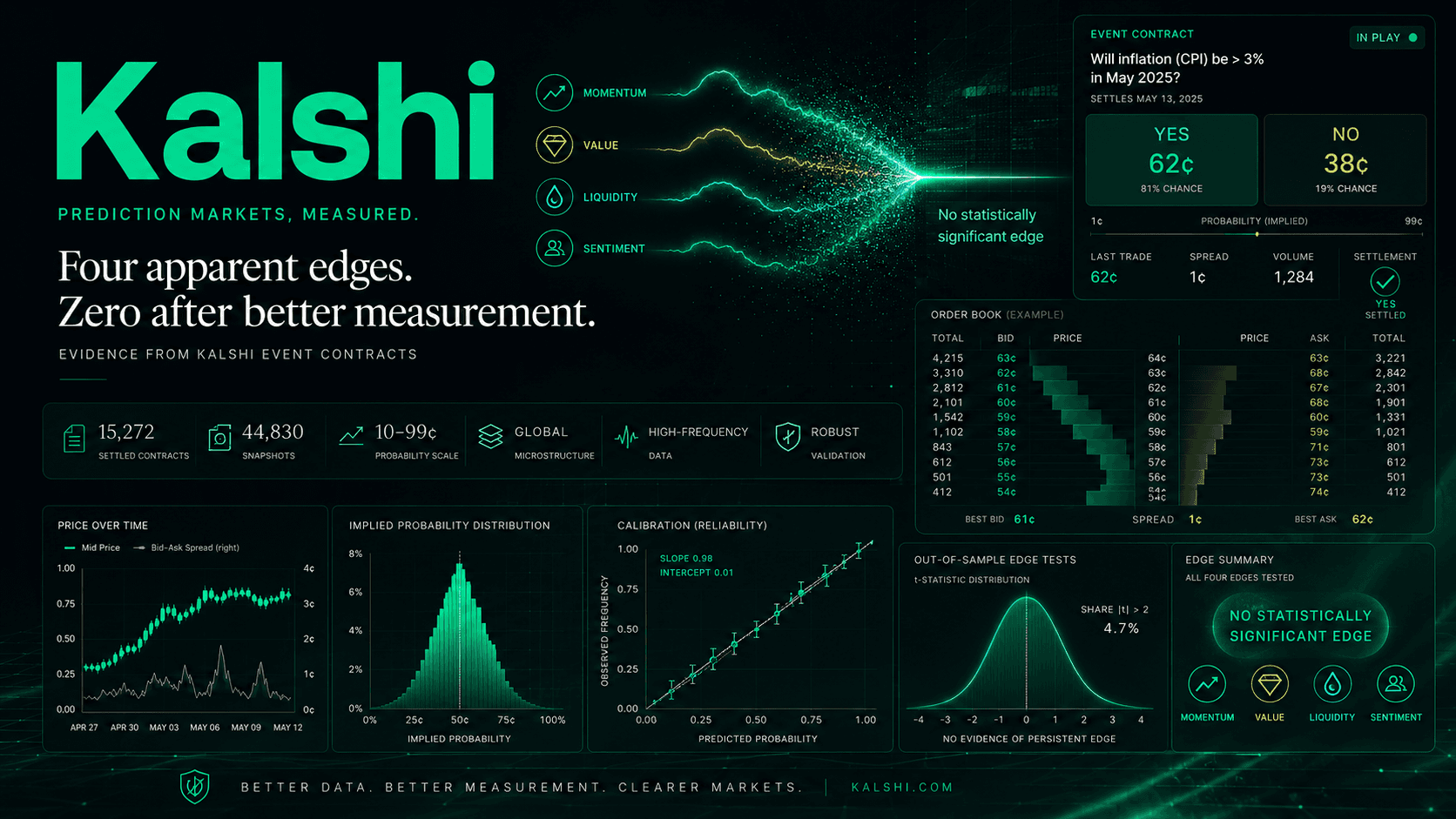
We Thought We Found Kalshi Trading Edges. Better Data Changed the Story
AltStreet tracked 15,685 Kalshi markets and found four apparent findings were sampling artifacts. See the spread, liquidity and calibration data.

How WARF Constraints Drive CLO Trading Behavior: The Hidden Force Behind Forced Selling in Structured Credit
See how WARF limits shape CLO trading, forced selling, credit rotation, and CLO equity returns when covenant pressure overrides fundamentals.

WARF vs Portfolio Quality: Why a Lower WARF Doesn't Always Mean a Safer CLO
Learn why a lower WARF does not always mean a safer CLO, and how default risk, recovery rates, issuer quality, and portfolio mix drive real credit risk.
Tokenized Cash: The 24/7 Yield-Bearing Wallet Guide for Institutional Investors
A comprehensive institutional guide to tokenized cash, tokenized Treasuries, yield-bearing wallets, and atomic settlement — covering fund mechanics, ERC-4626 vaults, MiCA regulation, and the infrastructure stack for the 24/7 economy.

Appellate Monetization: How Judgment Holders Convert Trial Wins Into Immediate Capital Before the Appeal Is Decided
Learn how appellate monetization works: non-recourse advances on verdicts, pricing drivers, reversal risk, duration, and collection underwriting.

Private Equity vs. Venture Capital Returns: Performance Metrics, Fund Structures, and Allocation Strategy
Compare private equity vs venture capital returns, risk, liquidity, and fee structures. Includes IRR, DPI, MOIC, TVPI, and PME benchmarks from Cambridge Associates, fund structure comparisons, and a tier-by-tier allocation framework for accredited investors.

AI Infrastructure Private Equity Funds: Minimums, Returns and How to Evaluate Them
How to evaluate AI infrastructure private equity and data center funds: minimums, how power and cooling drive returns, lease terms, risks and exit paths.

Dubai's Tokenized Real Estate Secondary Market: How Registry Integration Solves the RWA Trust Problem
Learn how Dubai’s registry-synced tokenized real estate enables 24/7 secondary trading—and why integration is the key moat for institutional RWAs.

Cyber Cat Bonds and Cyber ILS: How They Work and Why They Are Hard to Model
Cyber catastrophe bonds explained: how cyber ILS pays out, the recent deals, why attribution and accumulation make the risk hard to model, and what it yields.
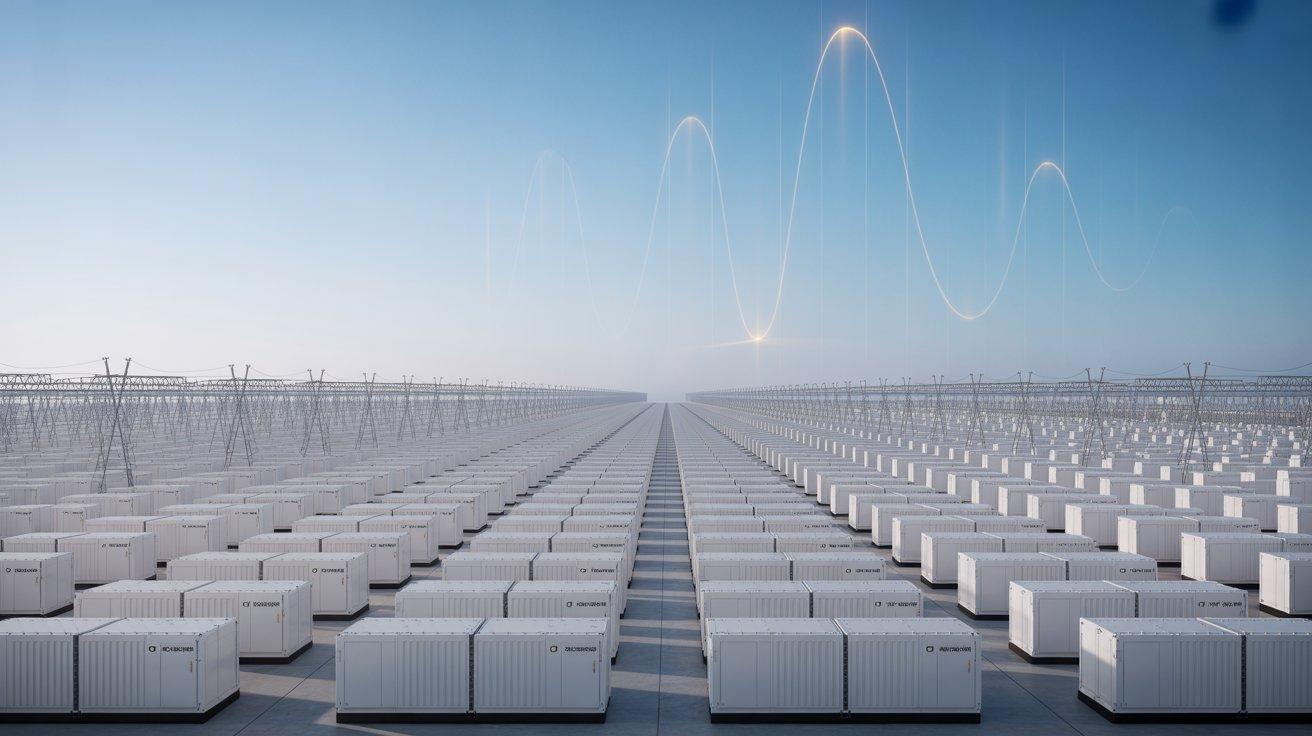
Why 4-Hour Batteries Win: The 2030 Arbitrage Crossover in Energy Storage Markets
Analysis of how 4-hour BESS displace gas peakers via the 2030 Crossover, ELCC capacity accreditation, and AI-driven arbitrage optimization.
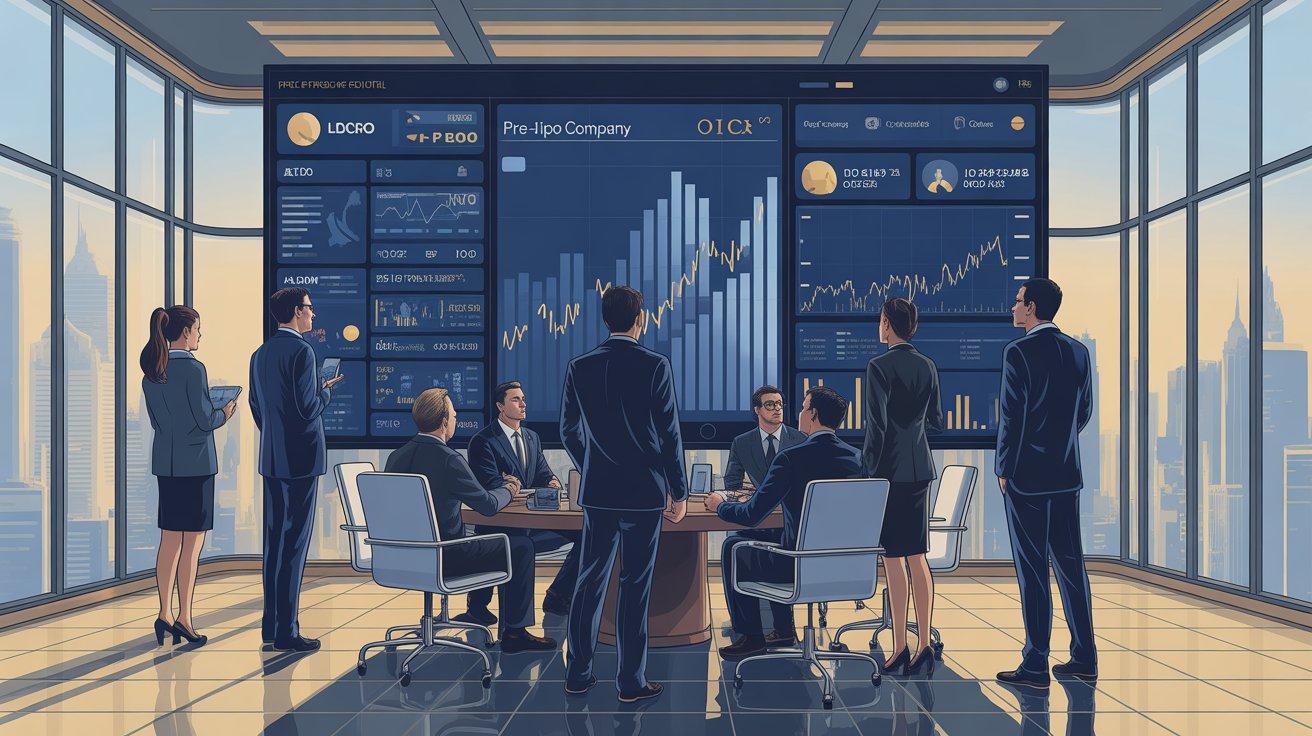
How Accredited Investors Actually Buy Pre-IPO Shares: The Complete Technical Workflow from Sourcing to Settlement
Learn how to source, structure, price, and close pre-IPO share deals—SPVs vs direct purchases, ROFR navigation, 409A valuation analysis, and post-IPO exit strategy.
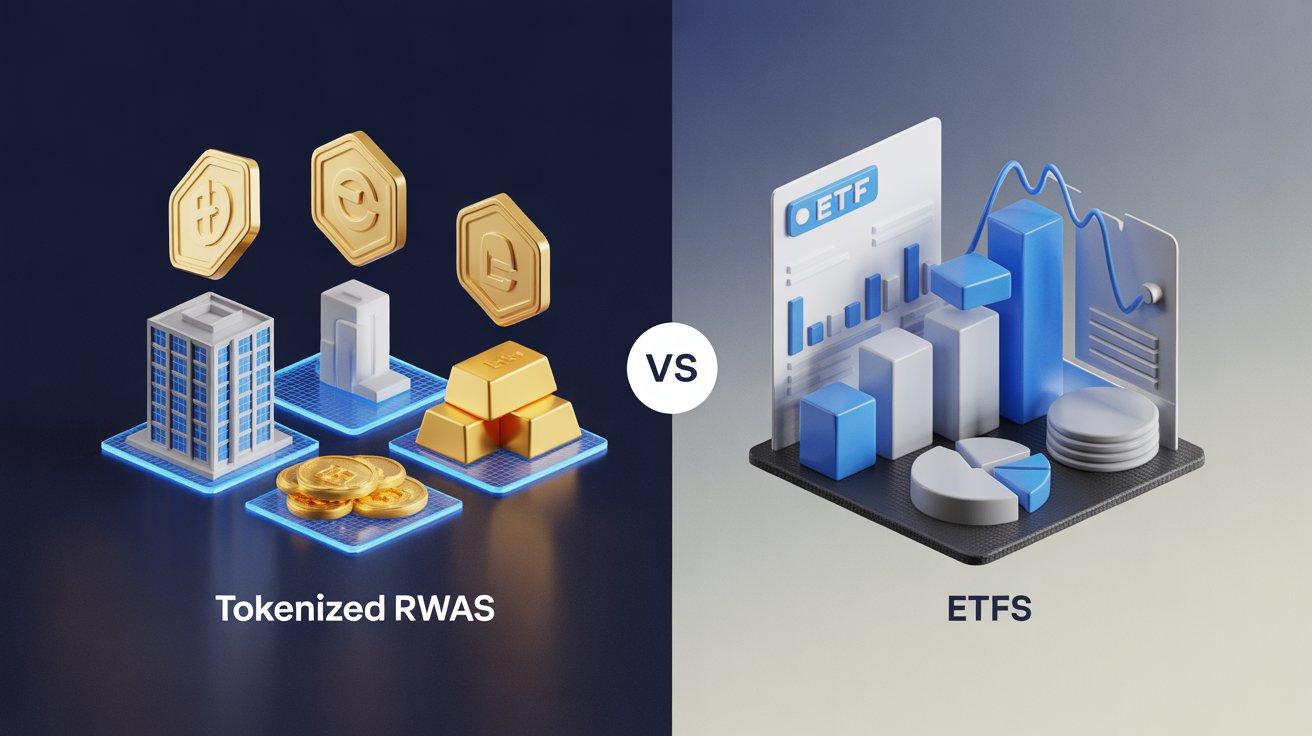
Tokenized RWAs vs. ETFs: Understanding Settlement Rails, Liquidity Models, and Institutional Failure Modes
Compare tokenized RWAs vs ETFs—how T+1 vs atomic settlement impacts liquidity, pricing, collateral use, and real institutional failure modes (AP withdrawal, oracles, smart contracts).
The Innovation Premium: Why Public Markets Now Miss the Growth Phase
The real growth now happens before IPO. See how $26T in private capital and secondary markets shift returns to early private investors.
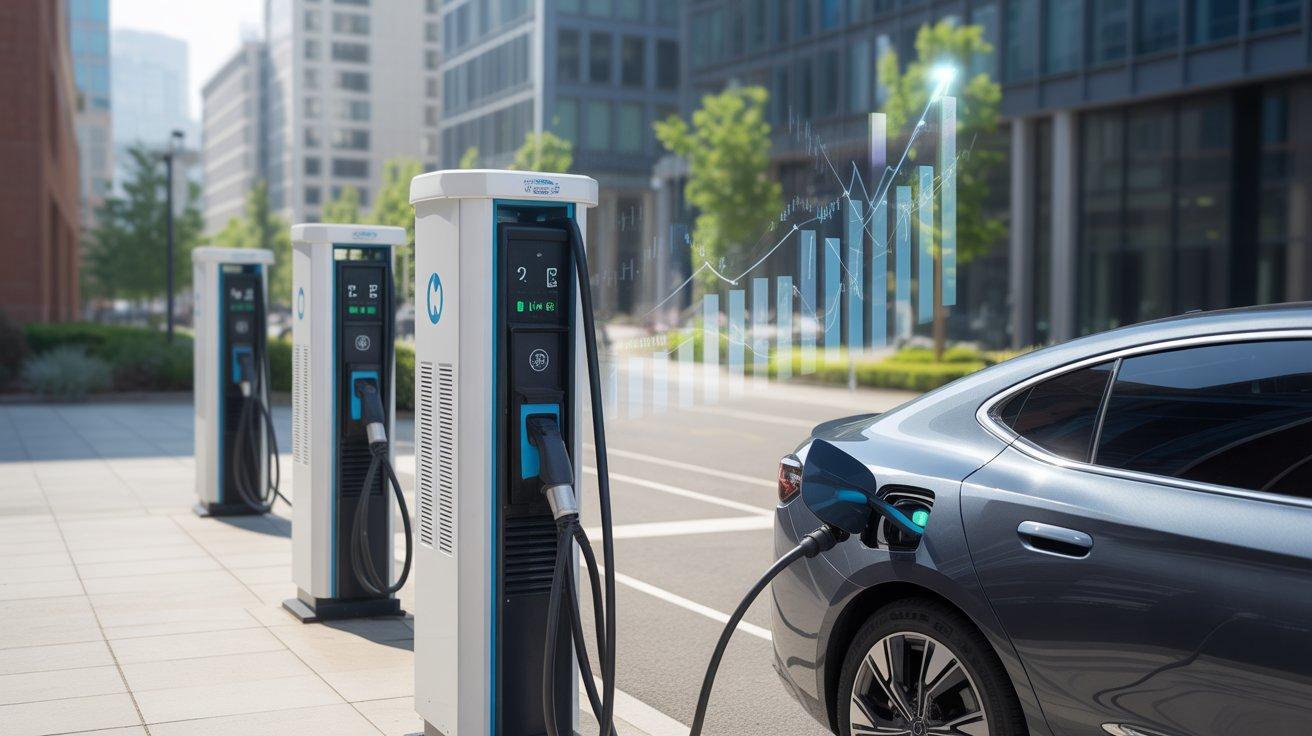
The EV Charger Trap: Why Many Stations Bleed Cash While a Few Become Cash Machines
Turn EV chargers into cash machines: DCFC is ~13% utilized vs 25–35% breakeven. Master demand charges, dwell time fit, and site selection.
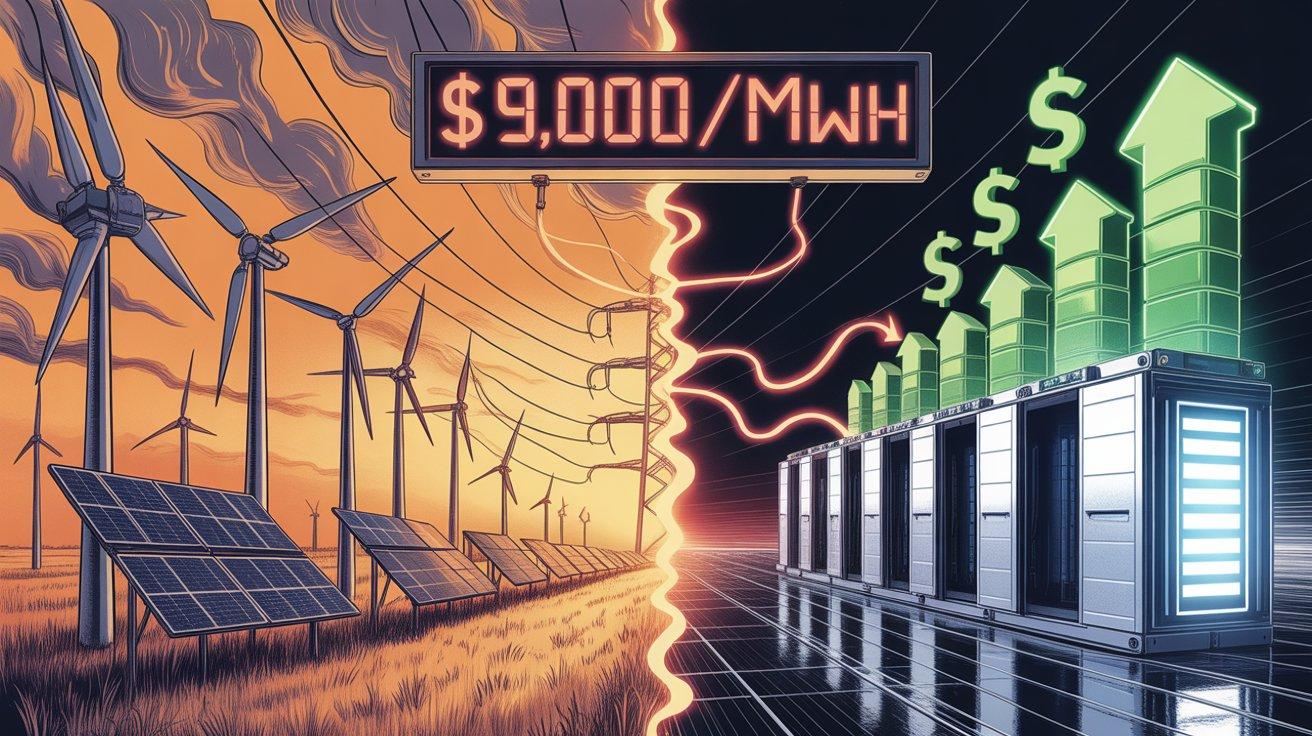
ERCOT Battery Storage Economics: How a Texas Battery Earned $280,000 in One Hour
ERCOT battery storage through one hour at $28,187/MWh: nodal pricing, arbitrage and bidding, why 4-hour systems win, and what the investment case looks like.
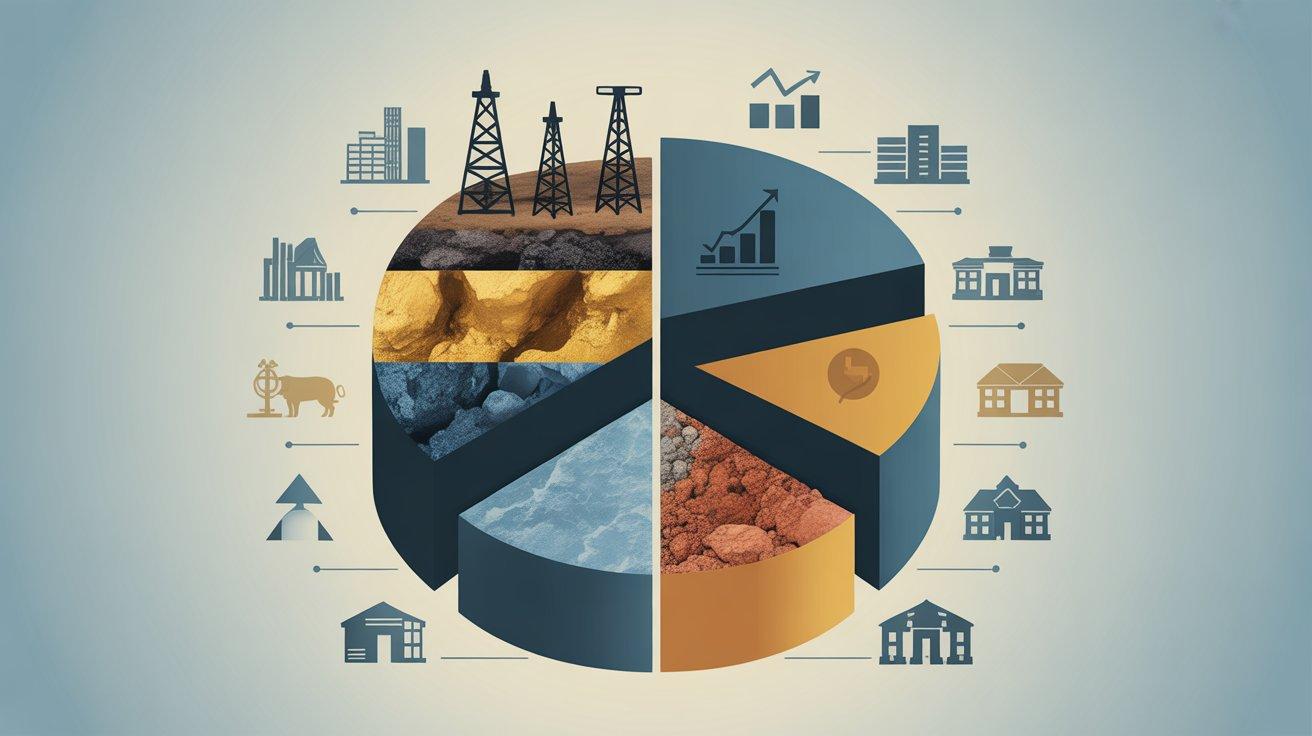
Mineral Rights Portfolio Diversification: Building Resilient Energy Royalty Portfolios Across Basins and Commodities
Build a smarter mineral rights portfolio. Learn basin diversification, commodity balance, and operator risk controls used by institutional royalty investors.
The 2026 Structured Credit Playbook: CLO Waterfalls, ABS Cashflows, and Portfolio Models
Strategic analysis of structured credit including CLOs, ABS, and CMBS—how floating-rate mechanics, subordination, and OC/IC tests deliver defensive returns in volatile markets.

Luxury Watch Investing: Why the Great Correction Creates Opportunity for Sophisticated Collectors
2026 watch market playbook: post-bubble entry points, Rolex/Patek/AP liquidity, Cartier-led style rotation, and where independents offer alpha.

AAA CLO Notes: What March 2020 Taught Investors About Spreads and Liquidity
Why did AAA CLO spreads blow out in March 2020 with almost no defaults? The liquidity mechanics, the structure that held, and what it means for CLO investors.
The Credit Card ABS Kill Switch: How Early Amortization Prevents Senior Losses in a Crisis
Credit card ABS 'kill switch' explained: how excess-spread and payment-rate triggers force rapid amortization—turbo-paying seniors and shutting off equity in a crisis.

Classic Car Investment Returns: Which Eras and Models Hold Value (2026 Guide)
Classic car investment returns after the 2025 reset: the eras and models that hold value, how to own them, and why provenance now drives the price.

Special Purpose Vehicles in Fractional Ownership: Legal Structure, Bankruptcy Protection, and Investor Safeguards
Before investing fractionally, understand SPVs. Learn how legal structure, bankruptcy risk, and governance protect—or destroy—investor capital.

Longevity Investments 2026: Where Longevity Biotech Funding Is Going
Longevity biotech funding in 2026: capital doubled to $8.5B in 2024 while deal counts fell. Who funds geroscience, which rounds closed, how investors get in.

Due Diligence Checklist: 10 Critical Questions Before Investing in Fractional Real Estate Deals
10-question checklist for vetting fractional real estate sponsors. Covers fee transparency, track records, market risks, and SEC compliance.

Real Estate Tokenization: How Blockchain Smart Contracts Are Eliminating Transaction Friction and Enabling 24/7 Global Trading Access
Real estate is going on-chain. Discover how tokenization cuts fees, unlocks fractional ownership, and enables 24/7 global trading.

Why Fractional Secondary Markets Fail: NAV Discounts, Thin Order Books, and the Liquidity Mirage
Discover the liquidity mirage in fractional investing—why NAV discounts persist, order books stay thin, and exits break down.
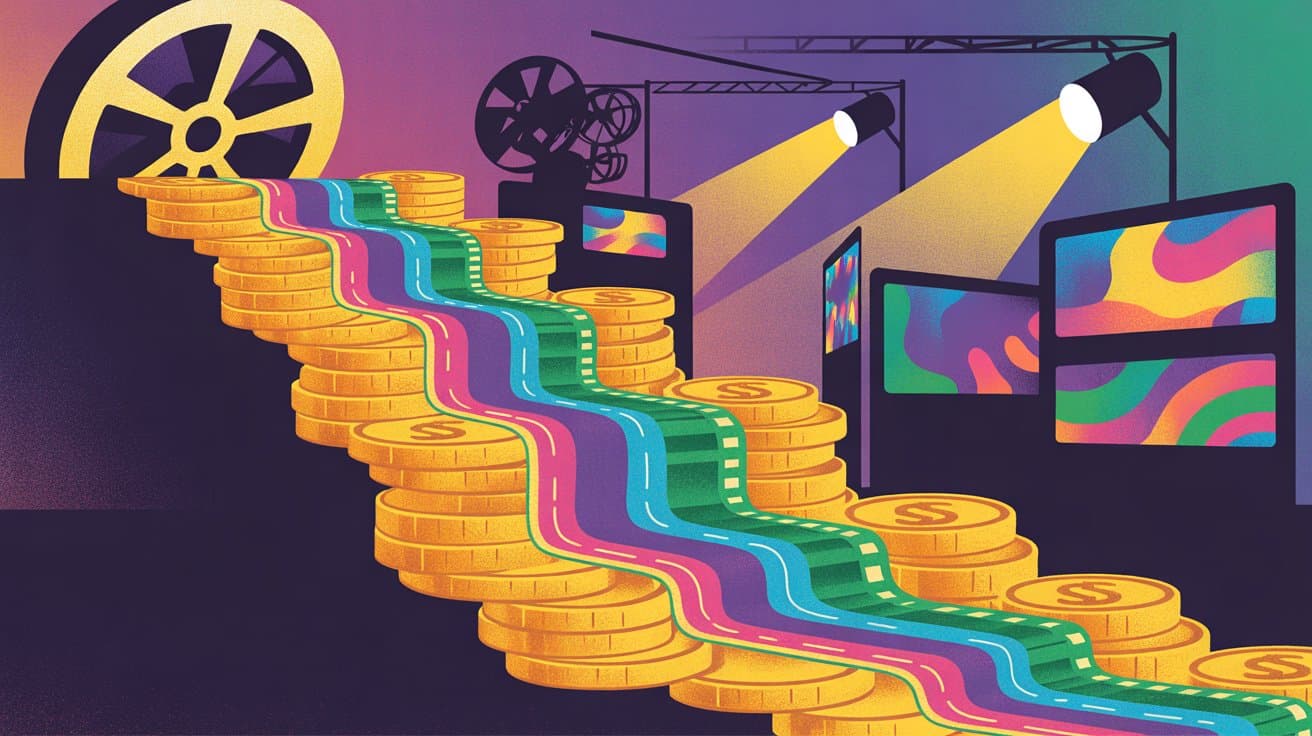
Film Revenue Waterfall Explained: How Movies Make Money and Who Gets Paid First
How do movies make money and who gets paid first? The film waterfall from distributor fees to recoupment and profit participation, with a worked example.

Music Catalog Valuation Multiples 2026: How Much a Catalog Is Worth (Springsteen, Dylan, Swift)
How much is a music catalog worth? The multiples behind the Springsteen, Dylan and Swift deals, and how to value a catalog from its net publisher share.

Luxury Asset Correlation With Stocks, Bonds and Real Estate: The Data
How luxury assets move against stocks, bonds and real estate: correlation data across cycles for art, watches, wine and cars.

AI Cost Curves: Inference and Training Economics From 7B to Trillion-Parameter Models
How AI costs scale with model size: training cost, the inference cost curve from 7B to 405B parameters, price deflation.

Fractional Investing Explained: SPVs, REITs, Tokens and Democratizing Private Assets
From $540 tokenized Dubai real estate to SPV structures—understand how fractional ownership works, liquidity vs control tradeoffs, and platform comparisons.

Music and Film Royalty Investing: The Complete Guide to Catalogs and Rights
How to invest in music and film royalties: catalog valuation, streaming revenue, master versus publishing rights.

Classic Cars & Rare Watches: The Complete Guide to Investing in Mechanical Masterpieces
Are classic cars and luxury watches still good investments after the 2022 correction? Learn returns, hidden costs, fractional platforms, and where they fit in a portfolio.
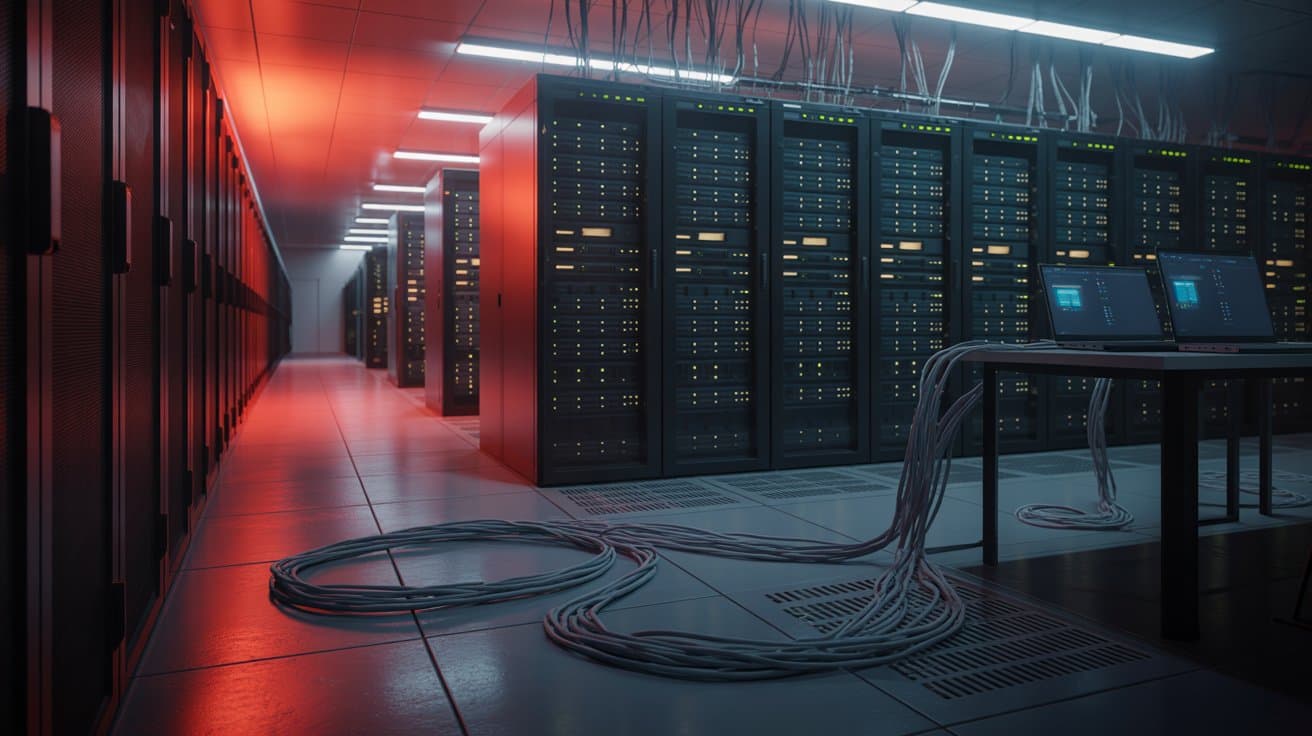
When $8 Trillion Froze: The CME Derivatives Outage and AI's Hidden Infrastructure Crisis
A chiller plant failure froze global derivatives trading for 11+ hours, exposing how AI's thermal demands push legacy cooling infrastructure past breaking points—creating the "Cooling Resilience Premium" for investors.

1740 Broadway CMBS Default: How a $600M Office Tower Sold for $174M
The 1740 Broadway CMBS default: a $600M tower sold for $174M, how the CMBS waterfall took the loss, and what $1.5T of maturing office loans means next.

Structured Credit & Securitized Yield: The Complete Investment Guide to CLOs, ABS, and MBS
Learn how to use CLOs, ABS, and MBS to add 100–300 bps of yield to your bond sleeve, manage risk across cycles, and build a structured credit allocation.

Whiskey Cask Ownership Law: Delivery Orders, Warehouse Ledgers & How to Avoid Fraud
Before buying a whiskey cask, learn how to secure legal ownership with delivery orders, WOWGR 2025 changes, key fraud red flags, and a verification checklist.
Building a 2-5% Wine & Whiskey Allocation: The HNW Investor's Blueprint
Build a 2-5% wine & whiskey allocation that delivers 10%+ returns with low correlation to stocks. 3 ready-to-deploy models for $20K-$50K portfolios.

Quant 2.0: The Modern Quant Trading Stack (Data Pipeline, Backtesting, MLOps)
What data stack does a quant fund need? Quant 2.0 architecture: lakehouse, feature store, backtesting and MLOps, and where research-to-production breaks.

Platform & Access Guide: Where to Invest in Passion Assets
Complete guide to accessing art, wine, watches, and whisky investments—from fractional platforms to private banking. Includes minimums, fee structures, regulatory status, and platform evaluation frameworks.

Tax Strategies for Passion Assets & Collectibles
Learn how to reduce the 28% collectibles tax through basis step-ups, charitable planning, freeports, bonded storage, and estate structures.

Beyond the 60/40: How to Structure a Passion Asset Sleeve for UHNW Portfolios
Institutional guide to sizing 1-5% passion asset allocations—art, wine, watches, whisky—with crisis alpha benefits, correlation data, and model portfolios for $5M-$50M investors.

Luxury & Collectible Funds: The Institutional Guide to Investing in Passion Assets
Institutional guide to the $6.5B passion asset market—art, wine, whisky, and collectibles—with structures, fees, risks, and allocator strategies.

Litigation Finance Structures Explained: How PDNs, SPVs & Waterfalls Really Work
Learn how PDNs, SPVs, and waterfall structures control risk, protect capital, and determine actual returns in litigation finance.

Litigation Finance Secondary Market: How LP Stakes and Portfolios Trade
How the litigation finance secondary market works: LP stake sales, portfolio deals, NAV facilities, why discounts to NAV exist.

The Litigation Finance Access Ladder: Which Vehicle Fits Your Wallet Size?
From $10 Burford stock to $5M private funds: practical guide to accessing litigation finance across every investor profile and wallet size.

RBF vs. Venture Debt vs. Term Loans: 2025 SaaS Founder's $1M Non-Dilutive Capital Playbook
Model true cost of RBF, venture debt, term loans on a $1M raise. Compare effective APR, warrant drag, covenants, cash-flow impact—rebuild the math in Excel/Sheets.

Tokenized Lawsuits & Initial Litigation Offerings: The 2025 Reality Check
Why ILO tokens failed, how AxiaFunder delivers 23% IRR without blockchain, and what works in fractional legal claims. The 2025 reality check.

Direct Lending 101: Inside Senior Secured Loans and Double-Digit Yields
Learn how senior secured direct lending delivers 10-12% floating yields with first-lien protection. Understand SOFR, unitranche structures, covenants, and default risk.

Where the Money Is: The Key U.S. Basins for Mineral Rights Investors
Find the top 2025 mineral rights opportunities with basin-by-basin analysis of Permian, Eagle Ford, Haynesville, Bakken, and DJ for yield, risk, and upside.

How to Value Mineral Rights: NPV, Discount Rates and Price Per Net Mineral Acre
How are mineral rights valued? NPV, discount rates, decline curves, net mineral acres versus net royalty acres, and how to judge a per-acre offer.

Art Valuation Framework: The Four Pillars Separating Price from Value
Master the Four Pillar Framework: quantify how rarity, condition, provenance, and market liquidity determine art's true financial value.

How the Art Market Works: Auctions, Dealers, Fairs and Who Sets the Price
How does the art market work? Who sets prices at each stage, gallery gatekeeping, auction guarantees covering 73% of sales, and what it means for buyers.
How Tokenized Treasury Products Actually Generate Yield: The Complete Technical Guide
Deep technical breakdown of yield generation in tokenized T-Bills: T-Bill discount mechanics, repo agreements, minting vs. rebasing distribution, fee structures, and critical tax implications.

Beyond the Hype: A Framework for Valuing Power, Cooling, and Credit Risk in AI Data Centers
Master data center valuation with analysis of PUE metrics, liquid cooling economics, interconnection risks, and tenant credit quality.

The Nature Asset Class: A Comparative Guide to Forestry, Soil, and Blue Carbon
Institutional framework for valuing nature-based carbon credits: forestry as real estate, soil as tech/data play, blue carbon as venture capital bet.

How to Invest in Climate Change: A Retail Guide to ETFs, Robos, and Platforms
Discover how retail investors with $5K-$50K can access climate finance through robo-advisors, carbon credit ETFs, renewable energy crowdfunding, and direct carbon removal. Compare fees, minimums, and returns across platforms.
Tokenized Treasuries: The On-Chain Risk-Free Rate Bridging TradFi and DeFi
Compare BlackRock BUIDL, Ondo USDY, and Franklin BENJI: three tokenized Treasury products delivering 4-5% on-chain yields. Learn which fits your needs and how protocols integrate them.

AI Infrastructure Investing: The Complete Portfolio Allocation Framework for the Physical Layer
Build a diversified AI infrastructure portfolio across data center REITs, semiconductors, energy stocks, and DePIN tokens. Complete allocation models inside.

GPU Investment ROI: Payback Periods for H100, H200 and MI300X Clusters
What is the ROI of a GPU cluster? Payback math for H100, H200 and MI300X, utilization and rental rate assumptions, buy versus lease, and residual value risk.
Risk Management in AI Infrastructure: Hedging Power, Compute, and Credit
Hedge token volatility, grid congestion, and leverage traps in AI infrastructure with institutional risk frameworks for data centers and GPU networks.
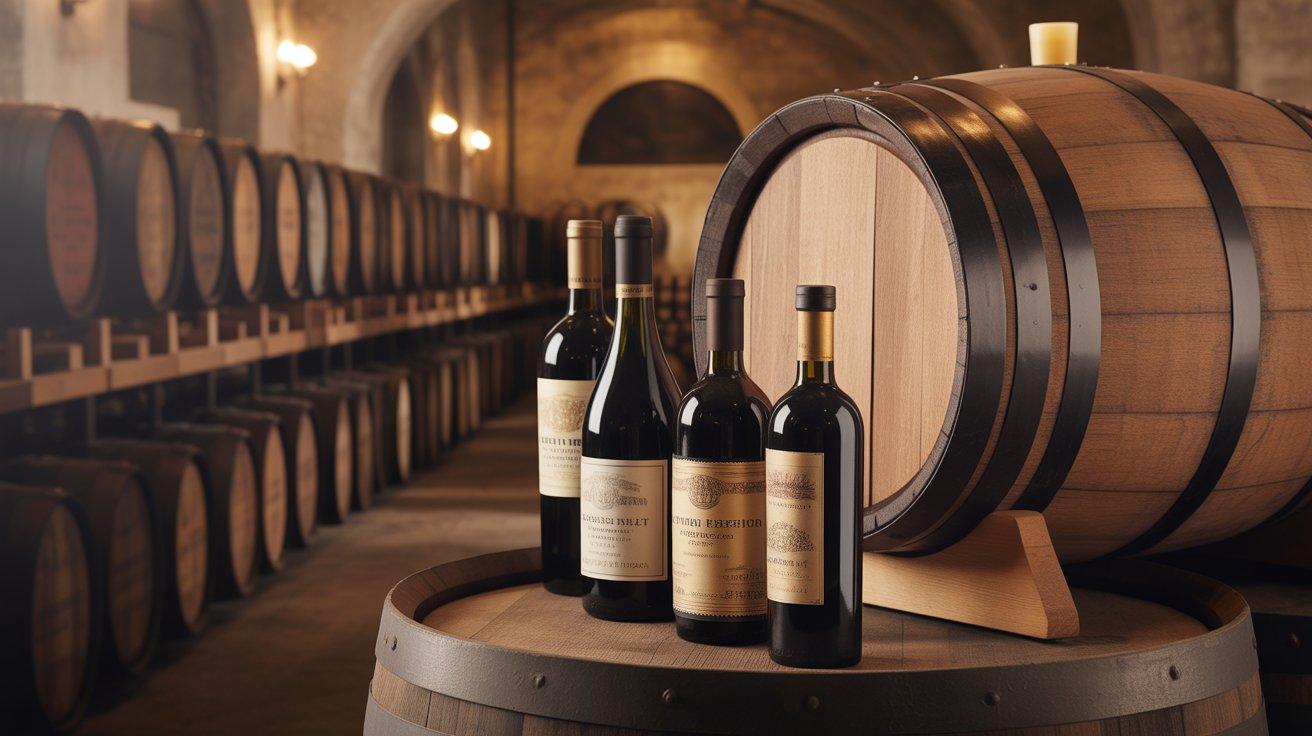
Fine Wine & Whiskey Cask Investment: Luxury Assets That Age
How fine wine and whiskey casks deliver portfolio diversification, potential tax advantages, and 8-15% returns through Bordeaux, Burgundy, Scotch, and Japanese markets.
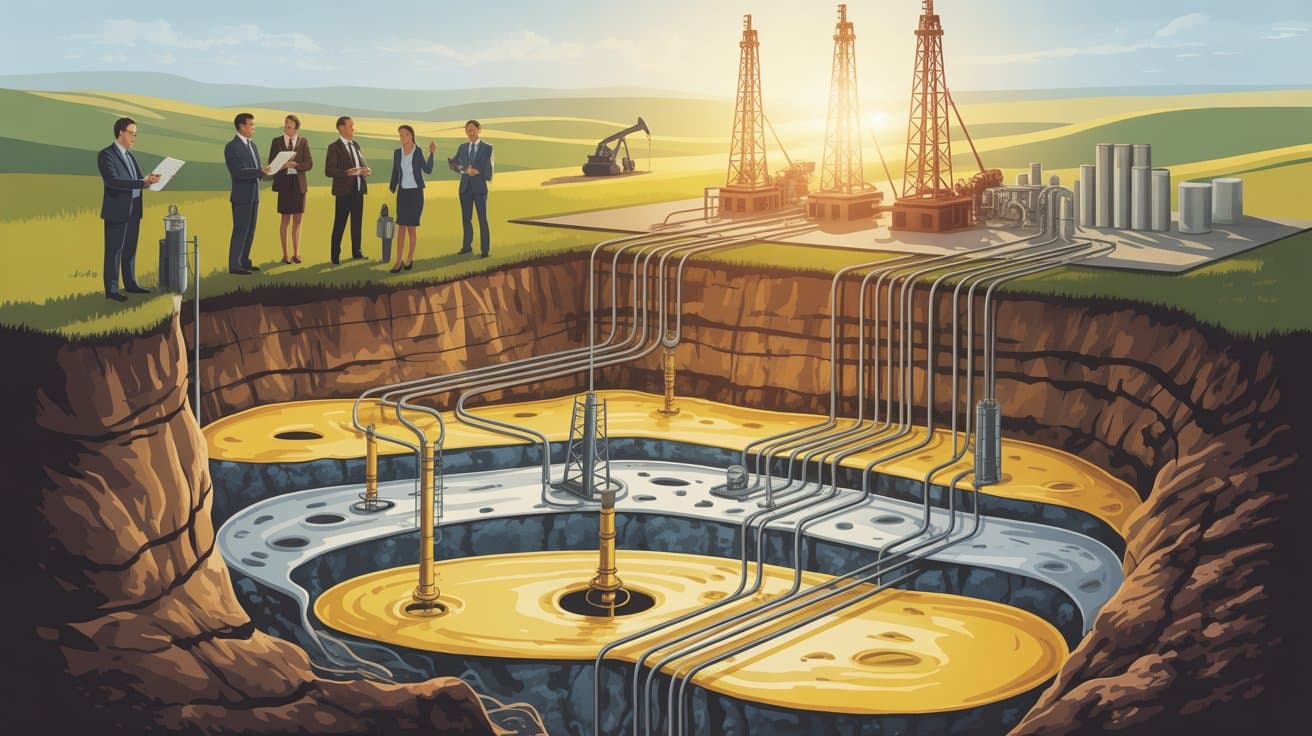
Mineral Rights & Energy Royalties: Subsurface Asset Investment Guide
Earn passive income and hedge inflation with mineral rights and oil & gas royalties—Permian assets, royalty trusts, and non-operating interests yielding 10–20%.
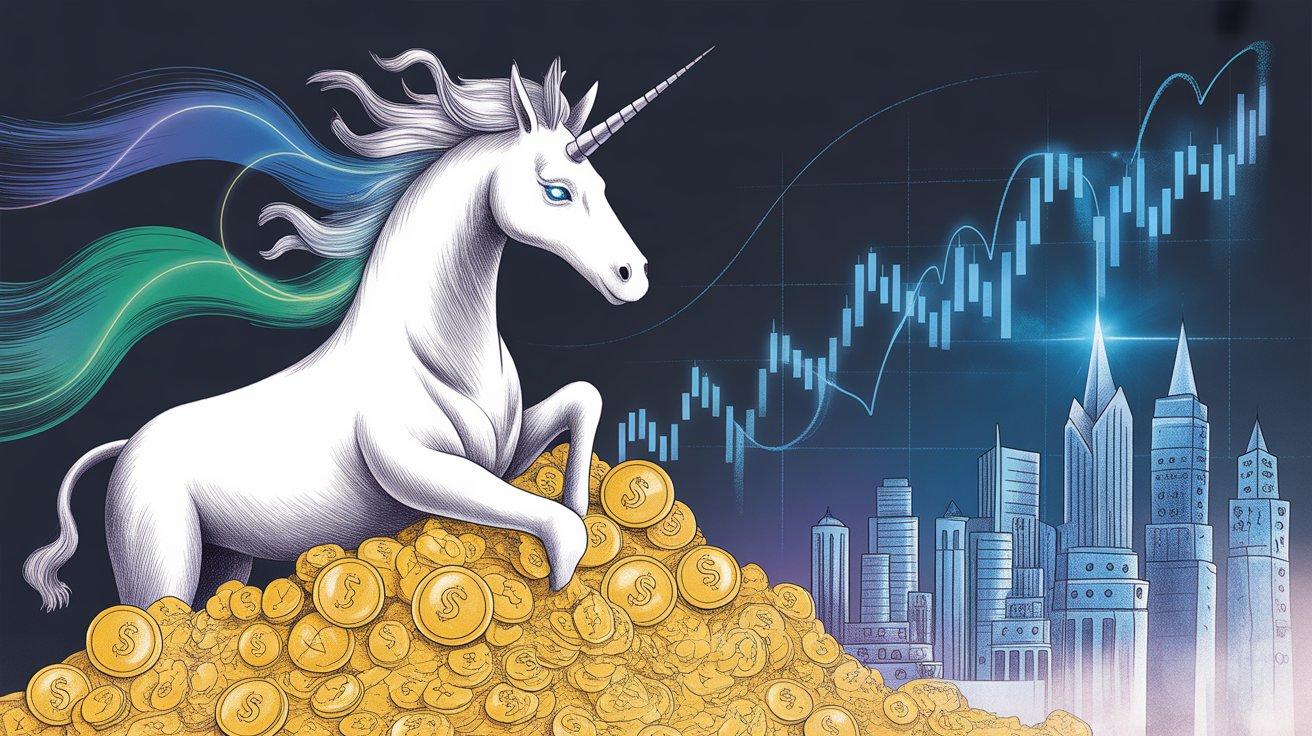
The Insider's Guide to the Secondary Market: Accessing Pre-IPO Innovation
Get into unicorns before IPO. Learn how secondary marketplaces, employee liquidity, and late-stage equity open access to the $100B private markets.

Art & Collectibles Investment Guide: Fractional Ownership & Alternative Assets
How to invest in the $1.7T art market: fractional ownership platforms, art funds, and collectibles offering 8-14% returns with low correlation.
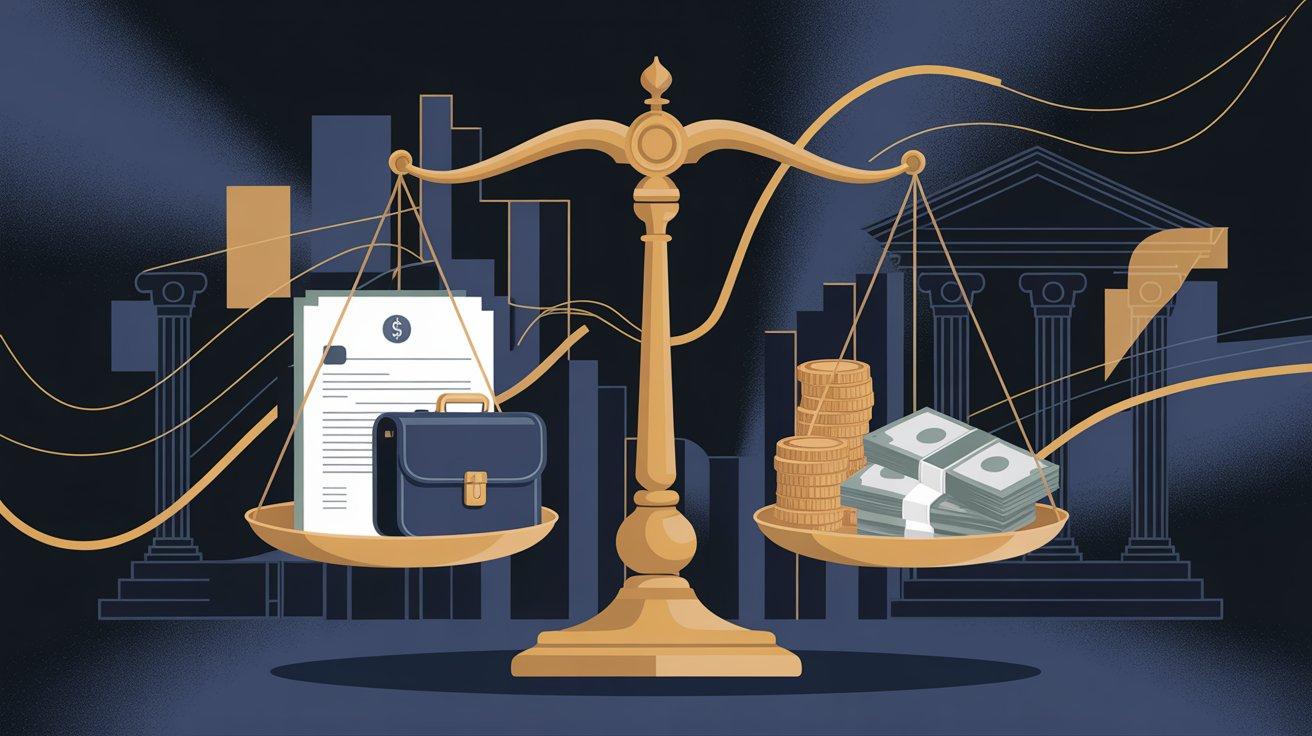
Litigation Finance Investing: How to Invest in Legal Claims (Funds, ETFs, Platforms)
What is litigation finance and how do you invest in it? Fund structures, public stocks and ETFs, platforms, returns and the risks of funding legal claims.

Insurance-Linked Securities: Complete Guide to ILS and Catastrophe Bonds
How to invest in the $107B ILS market: catastrophe bonds, parametric insurance, and climate risk transfer strategies for institutional portfolios.

AI Wealth Management & Quant Trading: How Deep Learning and Algorithmic Systems Are Transforming Investment Automation
Explore AI-powered wealth management platforms, quantitative trading tools, and robo-advisors using deep reinforcement learning, sentiment analysis, and portfolio automation. Complete guide to modern WealthTech.

How to Invest in Royalties: Music, Film and IP Royalty Income Explained
How to invest in royalties: music catalogs, film residuals and IP-backed income, the yields on offer, the platforms that sell them, and the risks.
Alternative Debt Ecosystems: Private Credit, Revenue-Based Financing, and the Fintech Disruption of Corporate Lending
Explore private credit, RBF, and alternative debt platforms reshaping corporate lending. Investment structures, yields, and key risks explained.

The Longevity Biotech Investment Guide: How to Invest in the $600B Healthspan Economy
From Altos Labs' $3B funding to senolytics reaching $25B by 2030: your complete guide to early-stage longevity biotech, Pre-IPO valuations, and anti-aging VC.
The Infrastructure Gold Rush: How to Profit from the $4 Trillion Clean Energy Build-Out
How to profit from the $4T clean energy build-out: battery storage revenue stacking, IRA transferable tax credits, and EV charging infrastructure yields.
The Rise of Tokenized Real-World Assets: How On-Chain Finance Is Rebuilding the Global Yield Market
Invest in tokenized U.S. Treasuries, private credit, and real estate on blockchain. Complete guide to RWA platforms, yields, and risks for 2025-2030.

From Farmland to Infrastructure: The Investor's Guide to Fractional Real Assets
Invest in farmland, commercial real estate, and solar projects starting at $100. Complete guide to fractional platforms, yields, and inflation hedging.
How to Invest in AI Infrastructure: Data Centers, GPUs and Compute (2026 Guide)
How to invest in AI infrastructure and data centers: public stocks and REITs, private funds, GPU-backed lending and compute tokens, with returns and risks.

The Investor's Guide to Carbon & Climate Finance: Turning Decarbonization Into Yield
Invest in carbon markets projected to reach $50B by 2030. Complete guide to removal credits, compliance markets, tax incentives, and climate yields.